
Free drill library

182 basketball drills, free to read

Shooting, ball handling, finishing, defense, passing, IQ, and conditioning — filterable by skill, with age group, duration, and equipment for every drill. Build these into a full practice plan free in the app.
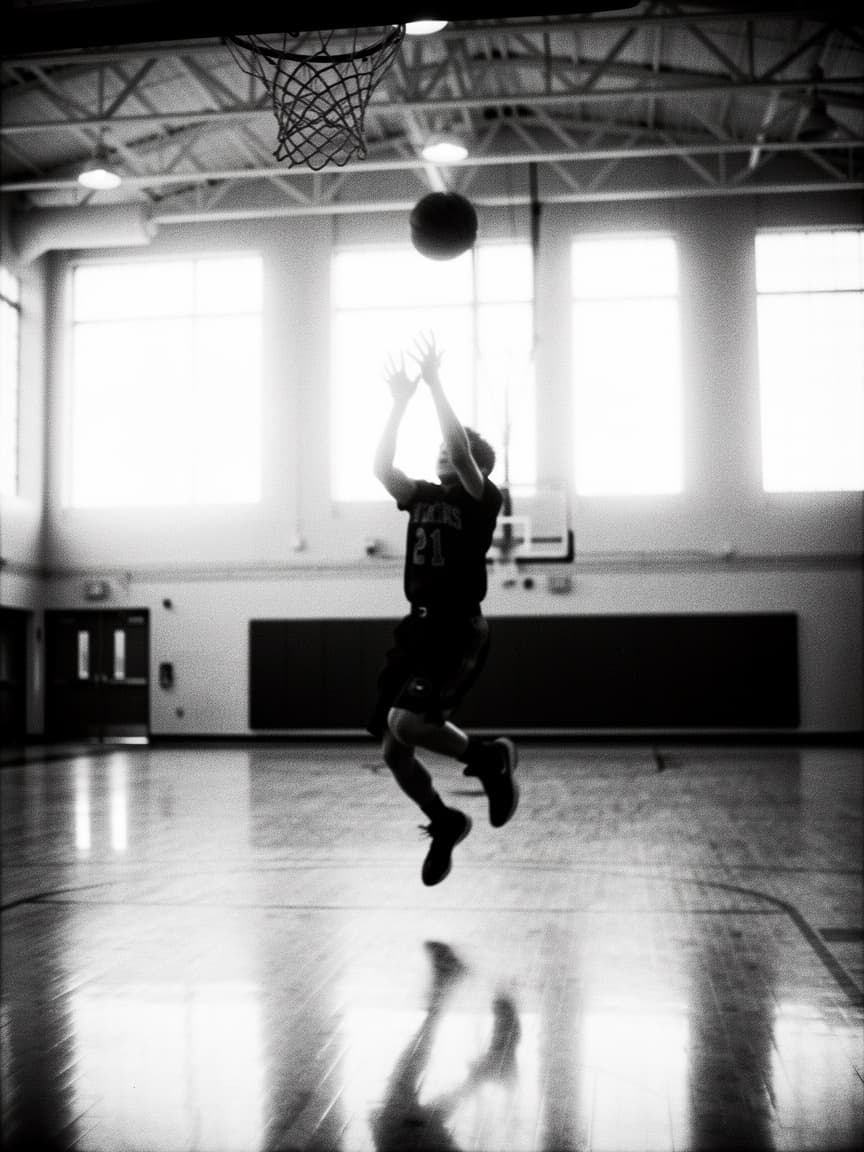
Every drill here lists the skill it develops, how long to run it, the age bands it suits, an intensity rating, and the equipment you need — enough to slot it into a session and know what it's for. 20 of them also have a full breakdown: setup, numbered steps, the coaching points that matter while it's running, the mistakes players actually make, and how to scale it up or down. We're working through the rest.

If you're building a session from scratch, work backwards from the skill you want to move rather than picking drills you like. Pick one primary skill per practice, give it the longest block while players are fresh, then layer in the secondary work. Competitive and conditioning drills belong at the end — they raise intensity but they also degrade technique, so anything you're trying to teach should come first.

The counts below are live. Filter by skill area, or start from a ready-made practice plan if you'd rather not sequence it yourself. For the reasoning behind how a session is put together, see how to build a basketball practice plan.

Drills by skill area

Shooting drills build a repeatable release through high-rep, low-distraction reps before adding movement, defense, and game speed. Track makes, not just attempts, and keep form the priority until it's automatic.

Ball-handling work develops control at increasing speed and pressure — stationary control first, then movement, then live reads against a defender. Both hands, every time.

Finishing drills train footwork, touch, and body control through contact near the basket. Reps with both hands and both feet build the habit of finishing strong regardless of angle.

Individual defense is built on stance, footwork, and effort before scheme. Drill the fundamentals — stance, slides, closeouts — until they hold up at full speed and under fatigue.

Basketball conditioning should mirror the stop-start demands of the game — short, intense bursts with real recovery, not steady-state cardio. Tie conditioning to competitive targets whenever you can.

IQ and decision-making drills put players in live, small-sided situations where they have to read a defender and choose correctly — the muscle memory of good decisions, not just good mechanics.

Passing drills build accuracy, timing, and footwork on the catch. The best passing work is done on the move, since that's how the ball actually gets delivered in a game.

Footwork is the foundation under every other skill — pivots, jump stops, and change-of-direction work should be drilled on their own before they're asked to hold up inside a live move.

Rebounding is won with positioning and effort before jumping ability — teach the box-out first, then the pursuit of the ball, then the outlet. All three, every rep.

Team offense drills build spacing, timing, and decision-making between multiple players — the goal is a correct read repeated until it's automatic, not just running a set.

Shooting drills build a repeatable release through high-rep, low-distraction reps before adding movement, defense, and game speed. Track makes, not just attempts, and keep form the priority until it's automatic.

Showing 3742 of 42 shooting drills

All 182 drills

Every drill in the library, A–Z.

1-on-1 from the Wing17s (Baseline Sprints)2-for-1 Clock Management3-Man Weave to Finish3-on-2, 2-on-1 Transition Reads5-Spot Catch & ShootAdvantage/Disadvantage 4-on-3Agility Ladder Quick FeetAngle Finish ProgressionAround-the-World Ball ControlBackdoor Cut ReadBall Reversal and RelocateBank Shot Angle FinishingBaseline-to-Wing Sprint ShotBeat-the-Pro (Make 21)BEEF Checkpoint ShootingBehind-the-Back Combo ChainBlitz & Rotate (Live 5v5)Both-Hands Layup LadderBounce Pass Through the LaneCall the Coverage (Live 5v5)Catch and Inside Pivot vs ConeCatch-and-Shoot off Baseline DriftCatch-and-Shoot off Flare ScreenCatch-and-Shoot off PindownCatch-and-Shoot off V-CutChair-to-Stand ShootingChange-of-Pace Live AttackChin It Rebounding DrillCircle the Cone ReboundingCloseout & ContainCloseout Attack ReadCloseout Discipline ScrambleCloseout, Reverse, RecoverCombo Attack to Stepback ThreeCone Attack SeriesContact Finishing with PadContact LayupsContested Catch-and-ShootCorner-to-Corner Range RunCounter-to-Finish Reaction SeriesCrossover Speed LadderCurl / Fade FootworkDeep Range CountdownDefensive Slide Box DrillDefensive Slide ConditioningDefensive Stance & SlidesDeny the Pass StanceDown Screen BasicsDribble Hand-Off ReadsDribble TagElbow-to-Elbow Spot ShootingElevator Doors ShootingEuro & Floater PackageEuro Step Footwork ProgressionEyes-Up Blind Dribble SeriesFatigue Five-Spot ShootingFigure-8 Dribble SeriesFigure-8 Weave Through the LegsFind, Hit, and Go Box-OutFingertip Pound and PatFinish Through TrafficFloater Off the Wrong FootFloater Range ProgressionForm Shooting LadderFree Throw Focus CountdownFree Throw Routine RepsFront and Reverse Pivot SeriesFull-Court Sprint-and-FinishGive-and-Go ReadGood Shot / Bad Shot RecognitionGuide Hand Lock ShootingHalf-Court Live 1-on-1 AttackHedge and Recover on Ball ScreensHelp Defense RecognitionHelp-Side Bump PositioningHesitation and Snatch-Back SeriesHesitation Pull-UpHigh-Hand Closeout ContestIce the Ball ScreenIn-and-Out Attack SeriesIn-and-Out Dribble Pull-UpInside-Out Pivot EscapeJab Step and Attack FootworkJump Rope Foot SpeedJump Stop Freeze DrillKick-Ahead Outlet ReadLate-Clock Isolation PackageLayup Lines w/ ProgressionsLine Touch SprintsLive 1-on-1 Finish AttackLive 3-Man Passing GameLive Angle Attack (Middle vs Baseline)Live Ball-Screen Coverage RecognitionLive Contest Pull-UpLive-Dribble Attack ComboLong Gather FinishMikan DrillMikan Drill FootworkMirror Drill (Partner Slides)Mirror Slide DrillMotion Offense Cutting RulesMoving Catch-and-ShootOff-Hand Finishing SeriesOff-Hand Layup RepetitionOn-Ball Containment DrillOne-Dribble Pull-Up (Both Sides)One-Foot Balance ShootingOne-Foot Power FinishOne-Hand Form FlickOutlet Pass Under PressurePartner Box-Out DrillPartner Chest & BouncePartner Overhead Pass SeriesPass-and-Relocate ShotPerfect Practice FTsPick & Roll ReadsPick-and-Roll Ball-Handler ReadsPick-and-Roll Screener ReadsPivot-Pass PrecisionPost Defense FrontingPost Double and RecoverPost Double-Team ReadPost Entry and Perimeter ReactionPost-Up Drop Step FinishPound Dribble SeriesPower Layup Two-Foot FinishPull-Up off 1 DribbleRange Extension LadderRead the Defense Freeze DrillRebound and Outlet PassRebound Put-Back SeriesRed Light / Green LightRetreat and Counter DribbleReverse Layup PackageReverse Pivot Finish off the GlassRip-Through After ReboundScreen Navigation (Over/Under)Seated Ball SlapsSecond-Shot Rebound-and-RepeatShell Drill (Help & Recover)Shot Fake, One Dribble, Pull-UpShot Quality ScrambleShot Selection ReadSkip Pass ReadSkip-Pass Catch-and-ShootSlalom Cone Counter AttackSnake Dribble Three-Level Pull-UpSpacing and Cutting FundamentalsSpacing Recognition WalkthroughSpin Move Counter SeriesSprint-Back Transition DefenseSprint-to-Free-ThrowStar DrillStationary Combo CountdownStep-Back Jumper SeriesStutter-Step Dribble AttackSuicidesTaking the ChargeThree-Player War ReboundingThree-Quarter Post DenialTight-Space Cone DribbleTip DrillTransition 2-on-1 DecisionsTransition Push-or-Pull ReadTransition Talk and Match-UpTriple Threat Pivot SeriesTwo-Ball Crossover SeriesTwo-Ball Finish RelayTwo-Ball Reactive Pass-BackTwo-Ball Rebound ReactionTwo-Ball RhythmTwo-Line Chest Pass RelayTwo-Pass-Away Gap PositioningTwo-Possession Clock ScrambleTwo-Shot Pressure Free ThrowsUp-and-Under FinishWall Dribble Reaction TapsWall Push ShootingWall-Up Verticality DrillX-Out Rotation DrillZig-Zag Full-Court Push

Basketball drills: common questions

How many basketball drills should be in one practice?
For a 90-minute practice, six to eight drills is a workable ceiling — roughly 8–12 minutes each once you account for transitions and water. Fewer drills held longer beats more drills rushed: players need enough reps in one drill for the correction to stick. Young teams (U10 and below) do better with shorter blocks and more variety, closer to 5–6 minutes per drill.
What basketball drills should a beginner start with?
Start with stationary ball handling (both hands), form shooting close to the rim, and simple footwork like the triple-threat pivot series. Beginners need the movement pattern before speed or defenders get added. The Mikan drill is the single most efficient beginner finishing drill — it teaches touch, footwork, and both hands at once. Filter this library to Ball Handling or Shooting and sort for the shortest, lowest-intensity drills.
What's the difference between a drill and a practice plan?
A drill is one activity — the Mikan drill, shell defense, a 3-man weave. A practice plan is the ordered sequence of them with timings, so a two-hour session actually fits in two hours. Every drill here shows its duration and intensity so you can build a plan that balances high-intensity work against teaching segments. There are ready-made practice plans if you'd rather start from a template.
How long should each basketball drill run?
Most drills in this library run 5–15 minutes. Skill-acquisition work (shooting form, ball handling) rewards longer blocks because repetition is the point. Conditioning and competitive drills should be shorter and harder — if intensity drops off, the drill has run past its useful length. Each drill page lists a recommended duration and an intensity rating.
Are these basketball drills free?
Yes — every drill page here is free to read, and nothing is paywalled. Each lists its skill focus, duration, intensity, age bands, and equipment, and a growing number include the full breakdown: setup, numbered steps, coaching points, common mistakes, and progressions. No account needed. The paid side of SixSevenBall is the coaching app: building and saving practice plans, tracking attendance and stats, and running your program day to day.
What equipment do I need for these drills?
Most need only a ball and a hoop. Every drill page lists its equipment explicitly, and a good number are marked no-hoop or no-equipment so they work in a gym with limited baskets, a driveway, or a hotel hallway on a tournament weekend. Cones and chairs are the most common extras and can nearly always be substituted with anything that stands up.
Free coaches' community on Skool — full community access, free drills and practice plans, and straight answers from coaches building programs like yours.
Join free on Skool